
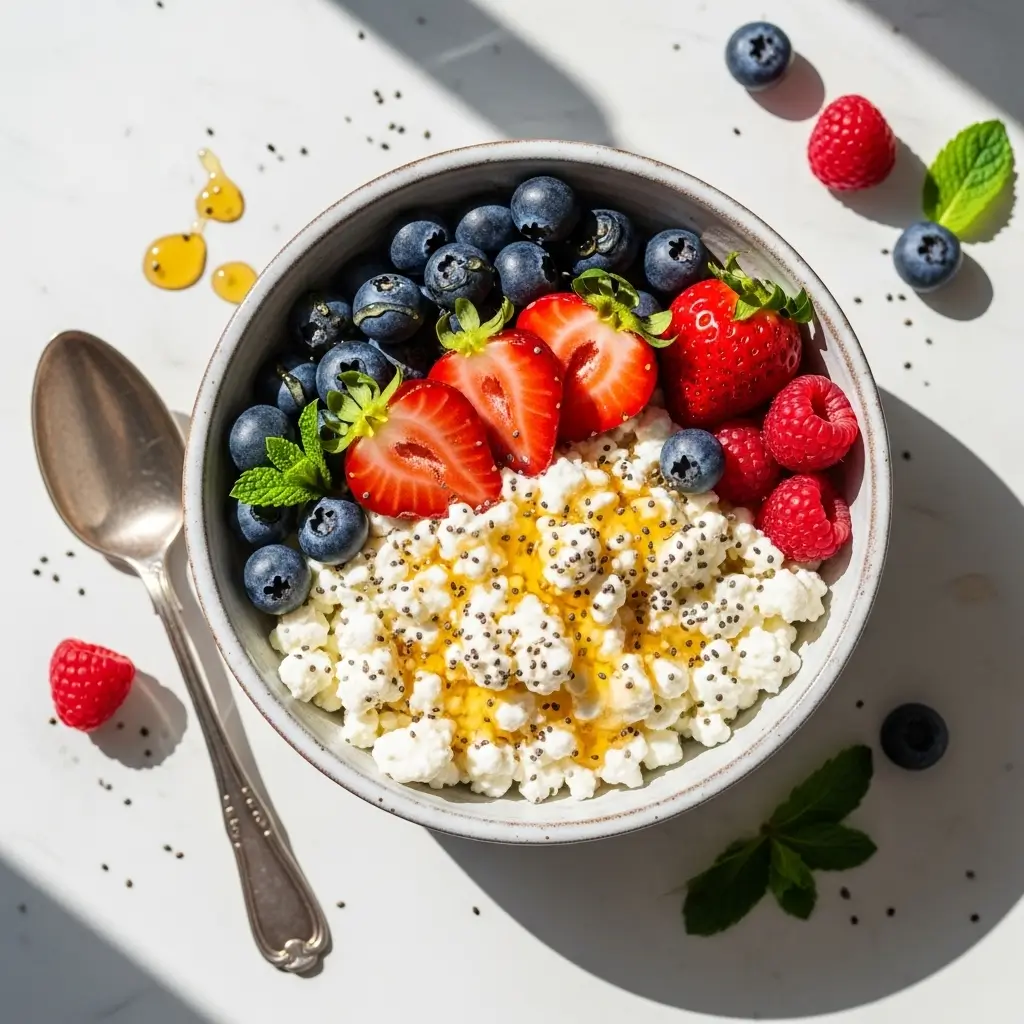
Cottage cheese vitamins minerals are having a serious moment right now. I swear, I saw it all over TikTok last week—people mixing it into everything. It’s not just that high-protein, low-carb friend anymore. Underneath those lumpy, creamy curds is a treasure trove of nutrients just waiting to make you feel amazing. Forget what you think you know about it being bland diet food from the 80s. We’re going deep into the specific vitamins and minerals in cottage cheese, like B12, calcium, and selenium, to show why this stuff is basically a superfood. If you’re obsessed with the numbers, check out the quick facts below, and then stick with me for the real story.
Quick Nutrition Facts: 1 Cup (4% Milkfat) Cottage Cheese
Here is a snapshot of the key vitamins and minerals found in a standard one-cup serving.
| Nutrient | Amount | % Daily Value (DV)* |
| Protein | ~25 g | 50% |
| Vitamin B12 | ~1.4 mcg | 59% |
| Selenium | ~20 mcg | 36% |
| Riboflavin (Vitamin B2) | ~0.4 mg | 30% |
| Phosphorus | ~300 mg | 24% |
| Calcium | ~187 mg | 14% |
| Vitamin A | ~85 mcg RAE | 9% |
| Sodium | ~819 mg | 36% |
*Percent Daily Values are based on a 2,000-calorie diet. Values may vary slightly by brand.
Table of Contents
A Closer Look: The Complete Vitamin Profile
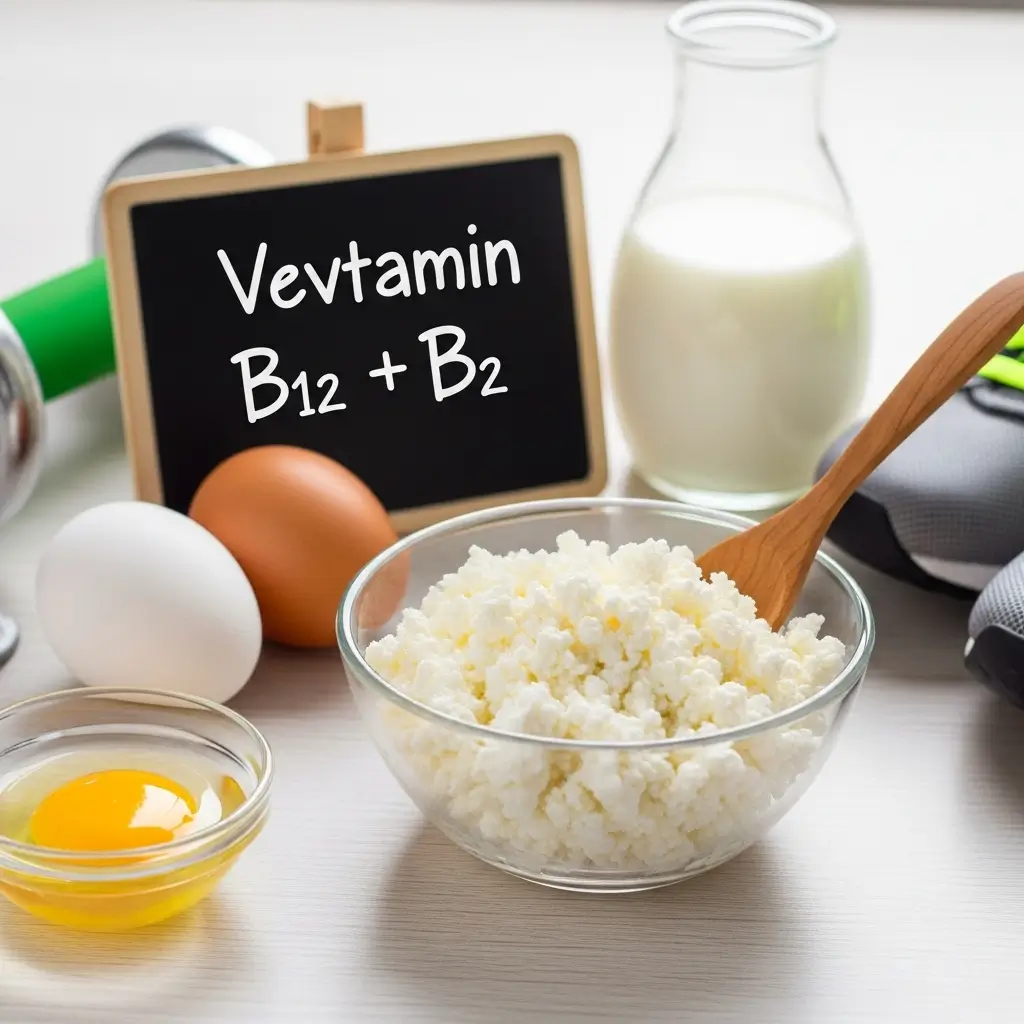
So, what vitamins and minerals does cottage cheese have? Let’s start with the vitamins, because honestly, they’re the unsung heroes. We all get hung up on protein, but your body is screaming for these little guys. Cottage cheese is like a B-vitamin party in a container. It’s absolutely loaded with B12, the one that keeps your nerves from fraying and your energy levels from tanking mid-afternoon. It’s also packed with Riboflavin (that’s B2), which is like the spark plug that helps your body use all the food you eat for fuel.
And don’t sleep on the fat-soluble vitamins, especially if you go for the good stuff. The full-fat cottage cheese 4% nutrition options have a decent hit of Vitamin A. My skin has never looked better, and I swear it’s because of my daily cottage cheese bowl. Coincidence? I think not. This is where those cottage cheese benefits skin come from. It’s not a powerhouse of cottage cheese vitamin k, but it’s in there, doing its thing.
Unpacking the Essential Minerals in Cottage Cheese
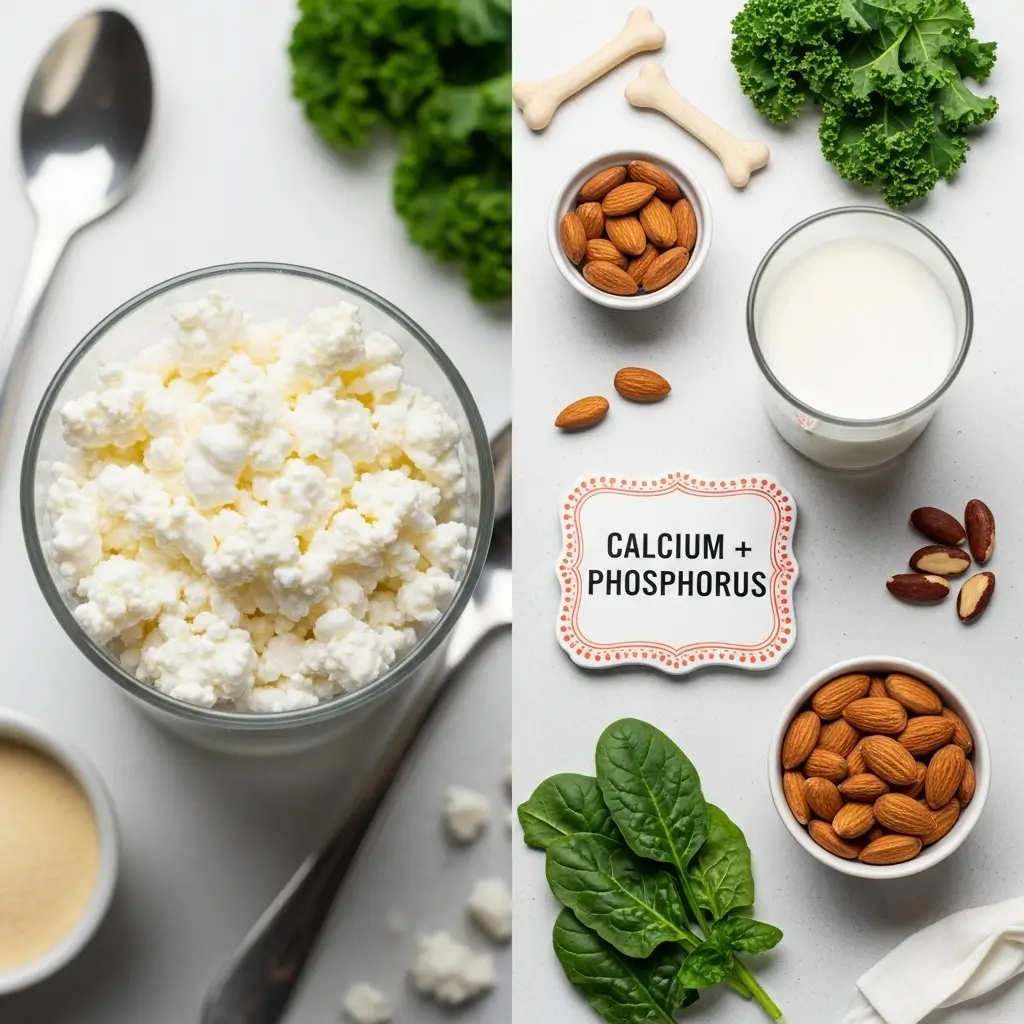
Now for the heavy lifters—the minerals. This is where the complete profile of cottage cheese vitamins minerals truly comes together. People always ask, is cottage cheese a good source of calcium? Um, YES. It’s a fantastic source. But here’s the secret calcium is nothing without its sidekick, phosphorus. Cottage cheese delivers both in this perfect little partnership, like Batman and Robin for your skeleton. They work together to build and maintain strong bones.
It also has selenium, a powerful antioxidant that fights off all the junk our bodies deal with every day. Now, the sodium. Yeah, it can be high. If you’re watching your salt, just buy a low-sodium version or and this is my grandma’s trick give it a quick rinse in a strainer. The core nutrients remain intact. Oh, and for those asking, does cottage cheese have magnesium? It does! Not a ton, but every little bit helps.
From Curds to Cures: Health Benefits You Can Feel
This unique mix of nutrients isn’t just numbers on a label; it translates to real-world benefits. The bone support is obvious, but it’s the other stuff that’s so amazing. Your immune system gets a real boost from the zinc and selenium, and I just feel… sturdier. Less prone to every little bug going around the office.
And let’s talk protein. A single serving of 1 cup of cottage cheese protein can be over 25 grams! That’s insane. It’s mostly casein, which is this slow-digesting protein that makes you feel full for hours and is perfect for building solid muscle. It’s why so many people in fitness are obsessed with it. Some brands even have probiotics, which your gut will absolutely love you for.
Research analyzing dining patterns across all fifty states reveals that Americans consistently favor six classic dinner combinations, with regional variations in preparation methods such as Southern fried chicken versus coastal grilled versions though the fundamental components of protein, carbohydrate, and vegetable remain remarkably consistent nationwide (1).
How to Maximize Your Nutrient Intake
Okay, so how do you make this stuff taste incredible and work even harder for you? It’s not rocket science. Knowing how to combine foods helps you get the most out of the cottage cheese vitamins minerals. You have to try some creative cottage cheese recipes that go way beyond a lonely scoop on a plate.
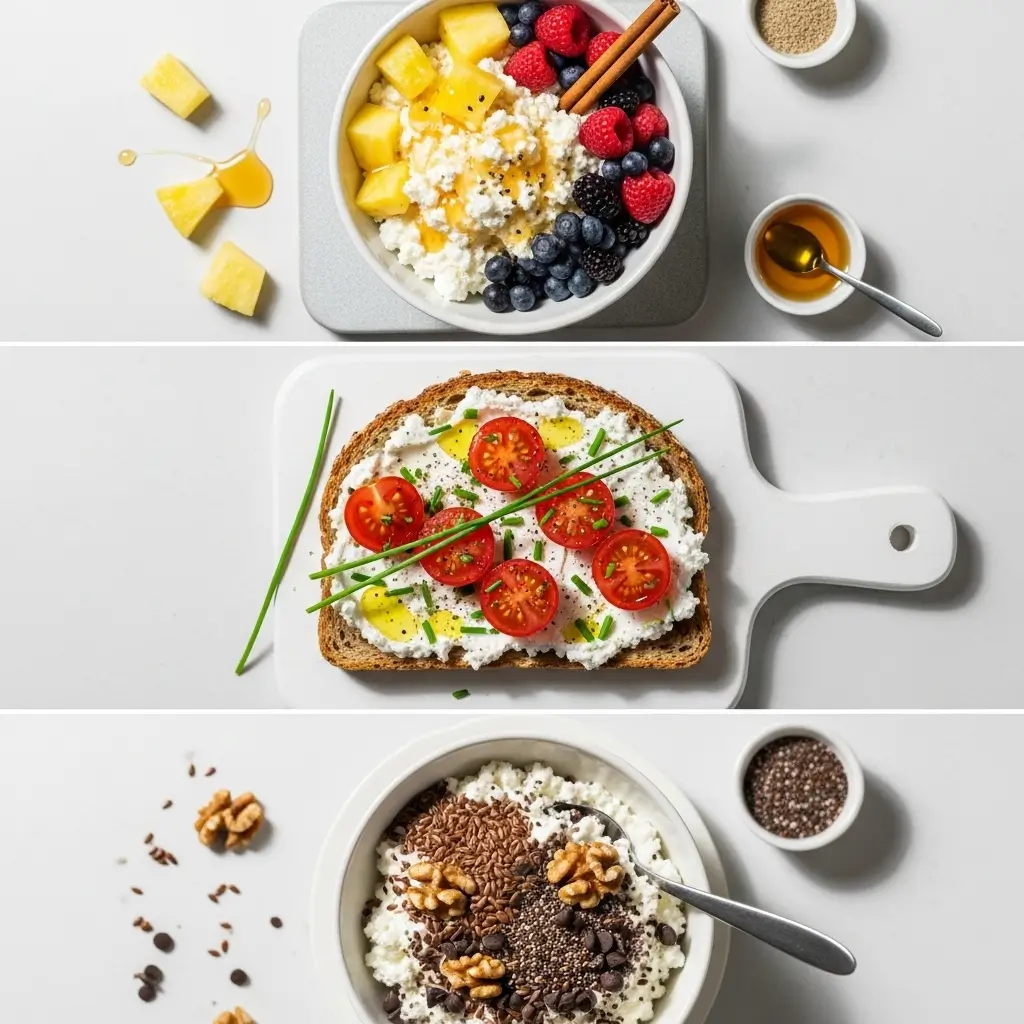
For a sweet treat, I love pairing it with fresh pineapple or berries; the vitamin C in the fruit actually helps your body absorb certain minerals better. A drizzle of honey and a sprinkle of cinnamon can transform it into a dessert-like snack. But don’t sleep on savory options! A generous crack of black pepper, some fresh chives, and sliced cherry tomatoes turn it into a fantastic, zesty dip for veggies or a creamy spread for whole-grain toast.
When you throw in healthy fats from sources like chia seeds, flax seeds, or a few walnuts, you’re creating the perfect environment for your body to absorb the fat-soluble vitamins A and K. Best of all, the cottage cheese calories are so low you have plenty of room to play with these delicious additions without derailing your goals.
When should you eat it? Honestly, whenever. But if you want to be strategic, the timing can amplify its benefits. Eating it within an hour after a workout helps with recovery, as its blend of whey and casein proteins starts the muscle repair process immediately and sustains it for hours.
I personally love having a small bowl of cottage cheese before bed. The slow-digesting casein acts like a time-release capsule, feeding your muscles a steady supply of amino acids while you sleep to prevent muscle breakdown. And the question of how much cottage cheese should i eat a day? That really does depend on you. A half-cup makes a perfect high-protein snack, while a full cup can serve as the foundation of a meal. Consider your personal protein targets and overall diet to find your sweet spot.
Cottage Cheese for Every Stage of Life
This isn’t just for bodybuilders, you know. It’s such a versatile food, and its value for these different groups comes directly from the rich cottage cheese vitamins minerals content. Let’s break down why it’s a nutritional powerhouse for nearly everyone, at every age.
For expectant and nursing mothers, cottage cheese is a goldmine. The high levels of calcium and phosphorus are non-negotiable for building a baby’s developing skeleton, ensuring they get the best start without depleting the mother’s own reserves. The high-quality protein is also crucial for building new tissues, while the Vitamin B12 content supports the baby’s neurological development. It’s a simple, comforting food that delivers a powerful nutritional punch during a critical time.
As we age, our bodies face new challenges, namely the risk of osteoporosis and age-related muscle loss, known as sarcopenia. Cottage cheese is a gentle but effective weapon in this fight. The calcium-phosphorus duo directly supports bone density, reducing fracture risk. Furthermore, its slow-digesting casein protein provides a steady stream of amino acids, which is ideal for preserving muscle mass. Plus, its soft texture makes it an easy-to-eat source of vital nutrition for older adults.
Of course, we can’t forget the athletes. For them, it’s a non-negotiable part of a diet focused on performance and recovery. Enjoying cottage cheese before bed provides muscles with the fuel needed for overnight repair. It’s also a staple for anyone cutting for competition because its high protein content crushes hunger cravings. Finally, for those on low-carb lifestyles wondering “is cottage cheese keto-friendly,” the answer is a resounding yes. Its low-carb, high-protein profile fits perfectly within the macros, making it a delicious and satisfying choice.
Frequently Asked Questions: Cottage Cheese Vitamins Minerals
What vitamins is cottage cheese good for?
Look, it’s a rockstar for B vitamins. Especially B12, which is like pure energy for your brain, and Riboflavin (B2). If you get the full-fat kind, you’re also getting some Vitamin A, which is great for your skin and eyes. It’s a solid, everyday source of the good stuff.
What does Dr. Gundry say about cottage cheese?
Oh, Dr. Gundry. He’s particular. He’s not a fan of most conventional dairy because of something called A1 casein. So he’d probably tell you to skip the regular stuff, but he’d likely give a thumbs-up to cottage cheese made from A2 milk.
Does cottage cheese have a lot of vitamin A?
A “lot”? No. It’s not a carrot. But the full-fat versions have a respectable amount. Think of it as a nice little bonus on top of everything else it gives you. I wouldn’t rely on it as my only source, but it definitely contributes.
Is cottage cheese actually healthy?
Is this a real question? Yes! It is incredibly healthy. The fantastic profile of cottage cheese vitamins minerals, combined with its high protein, makes it one of the most balanced foods you can find in the dairy aisle. The only thing to watch is the sodium, but that’s an easy fix.
Is cottage cheese anti-inflammatory?
For most of us, yes, it’s not inflammatory at all. But, and this is a big but, if you have a serious dairy allergy or sensitivity, then it’s a different story. It really comes down to listening to your own body. If you feel great eating it, it’s not a problem.
What is the most unhealthy cheese in the world?
Easy. It’s not even real cheese. It’s that bright orange, plastic-wrapped stuff they call “processed cheese product” or the cheese that comes in a spray can. That stuff is a science experiment. It’s the polar opposite of nutrient-dense cottage cheese. Just… stay away.